
Sleep and Your Immune System: Why Rest Is a Cancer-Fighting Tool
Dr. Harry Black explains how sleep deprivation weakens the immune cells that fight cancer, the role of melatonin, and practical steps to protect your rest.
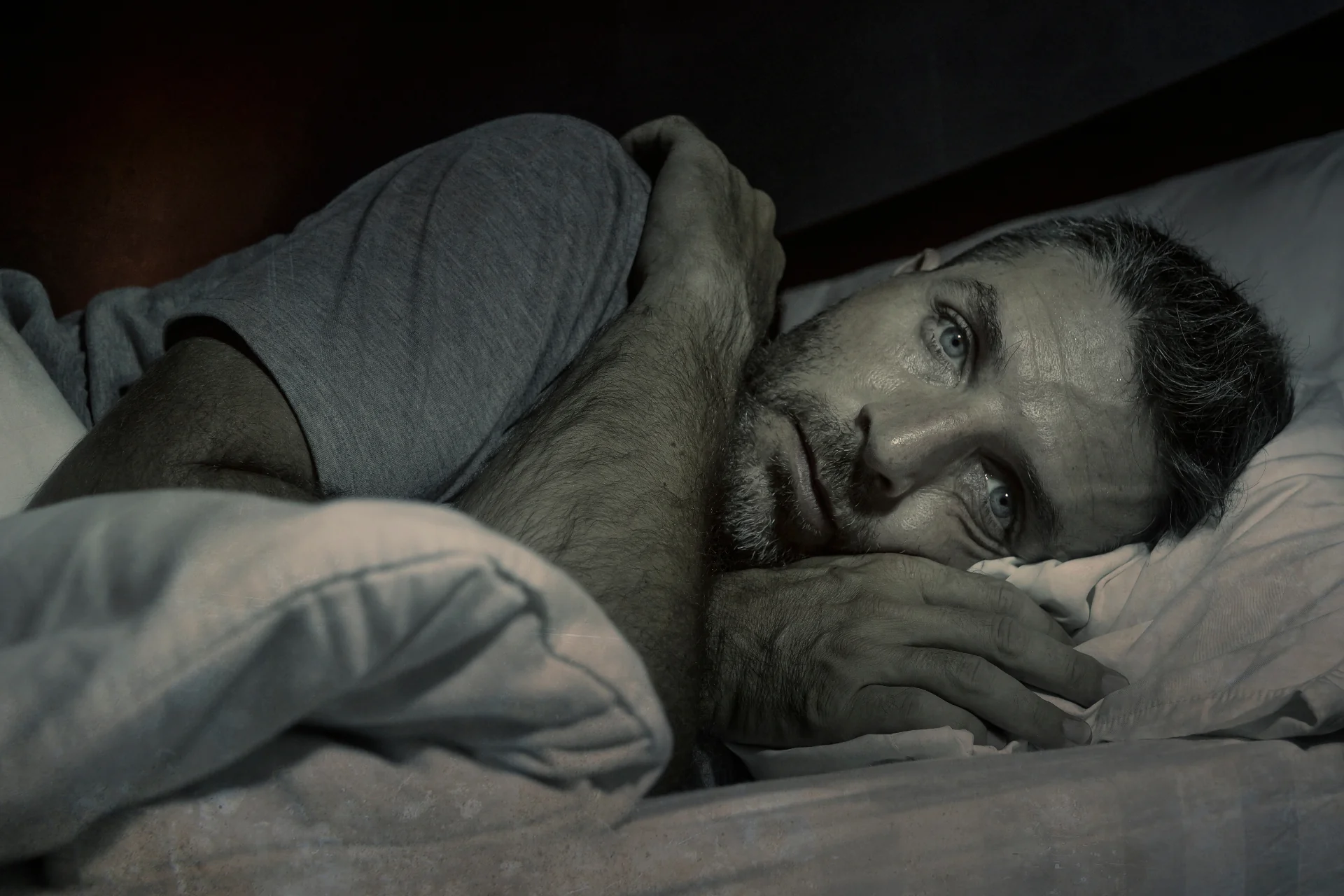
For most of my career, I treated sleep as something to sacrifice. Residency trained me to function while exhausted, and I wore it like a badge. It was not until I was facing my own prostate cancer, reading everything I could find, that I understood the cost of those decades. Sleep is not downtime. It is one of the most powerful things your immune system has, and your immune system is one of the most powerful things you have against cancer. This is the connection no one explained to me, and one I now take as seriously as my diet.
This article is education, not a prescription. But if there is a free, drug-free tool that may help your body fight cancer, you deserve to understand how it works.
Why Sleep Became a Modern Problem
For nearly all of human history, people slept not long after sunset and woke not long after sunrise. The electric lightbulb changed that for the first time ever. Add the blue light of phones and screens, plus the stress and busyness of modern life, and we have built a near-perfect machine for sleep deprivation.
When darkness falls, the brain releases melatonin, the hormone that helps carry you through the proper stages of sleep. Continuous light, especially the blue light from electronics in the evening, suppresses that signal and fractures the cycle. We are, as a culture, chronically under-slept, and it shows up in our health.
The Immune Connection That Changed My Mind
Here is the part that matters for anyone facing cancer. Elegant research over the last several decades has tied immune function directly to sleep.
Among the immune cells that hunt cancer are Natural Killer (NK) cells. When sleep is disrupted on a routine basis, NK cells become measurably less active. Over time, that decline can give cancer cells more room to grow.
Proper sleep allows your immune system to operate at a high level. Sleep deprivation, even one or two bad nights, can blunt the very cells that fight cancer.
It is not only NK cells. Poor sleep also impairs T cell function, raises inflammatory signals, and disrupts the body's daily rhythms, all of which can help create an internal environment that favors cancer rather than fights it. Proper sleep, generally 7 to 9 hours with a healthy balance of stages including REM, supports the whole defense system.
Melatonin: More Than a Sleep Aid
Most people know melatonin as something you take to fall asleep. It is also a natural compound your body makes at night, and its production drops significantly after about age 40 and with too much evening light.
Research has shown melatonin does more than settle you down. It has been studied for its ability to reduce the growth of tumor-feeding blood vessels and to increase apoptosis, the programmed cell death that cancer cells try to evade. It is available over the counter, and your doctor should know if you take it.
A practical note from my own use: start low, around 1 to 2 mg at night. Higher doses out of the gate can leave you groggy the next day and, for some people, bring vivid dreams or nightmares. Build up slowly if at all, and always loop in your physician.
Ashwagandha, the Other Half of the Equation
Ashwagandha, an herb from the root of a plant native to the Mediterranean and India, has a long reputation for easing anxiety and improving sleep. Research has also explored its anti-inflammatory effects and its ability to promote apoptosis in cancer cells. The root is generally considered the more potent source than the leaf.
The appeal here is the overlap: a supplement that may help you sleep and may act against cancer cells is a rare two-for-one. As always, this is a conversation to have with your care team, not a recommendation to self-treat.
Practical Steps to Protect Your Sleep
You do not need to overhaul your life overnight. Start with what is in your control:
- Set a consistent bedtime and get into bed without electronics at roughly the same time each night.
- Stop eating about four hours before bed. Late meals disrupt sleep quality.
- Limit alcohol, which interferes with normal sleep patterns even when it makes you drowsy.
- Dim the lights and screens in the evening to protect your natural melatonin rise.
- Consider tracking your sleep. I wear a sleep-tracking ring, similar to an Oura ring or a smart watch, and paying attention has changed my habits.
- Reach for proven calming tools when needed: meditation, mindfulness, and cognitive behavioral therapy all help reverse sleep deprivation.
Why I Now Treat Sleep Like Medicine
Even if I had fully understood the science earlier, I am not sure I could have changed my sleep during residency. But once my career gave me control of my time, I had still built terrible habits, and it took my own cancer to make me act. Today I pay as much attention to getting good sleep as I do to my diet and supplements.
The message is simple and hopeful. Your body has a defense system built to fight cancer, and one of the best things you can do to support it costs nothing. Turn off the screen. Darken the room. Give your immune system the hours it needs to do its work.
References
- Besedovsky L, Lange T, Haack M. The Sleep-Immune Crosstalk in Health and Disease. Physiol Rev. 2019;99(3):1325-1380.
- Irwin MR. Sleep and inflammation: partners in sickness and in health. Nat Rev Immunol. 2019;19(11):702-715.
- Talib WH. Melatonin and Cancer Hallmarks. Molecules. 2018;23(3):518.
- Saggam A, et al. Withania somnifera (Ashwagandha) in cancer: molecular mechanisms. J Ethnopharmacol. 2021;272:113929.
- Garbarino S, et al. Role of sleep deprivation in immune-related disease risk and outcomes. Commun Biol. 2021;4:1304.
Sunrise Institute is based in Florida and serves clients nationally through physician-led education sessions.
Take the Next Step
Book a Personalized Insight Consultation with Dr. Black - in Daytona Beach or via Zoom.