
What Is a Prostate, and What Does It Actually Do?
Dr. Harry Black, a General Surgeon and prostate cancer survivor, explains in plain language what the prostate is, what it does, and how it becomes diseased.
Most men reach their sixties having never thought about their prostate until a doctor mentions it. I was a General Surgeon for more than 35 years, and even I did not think much about mine until my PSA started to climb. So let me do for you what I wish someone had done for me earlier: explain, in plain language, what this small gland is, what it does, and why it sometimes causes so much trouble. You cannot make good decisions about an organ you do not understand.
This article will not diagnose you. It will give you the working knowledge to walk into your next appointment as a partner, not a passenger.
How Big Is the Prostate, and Where Is It?
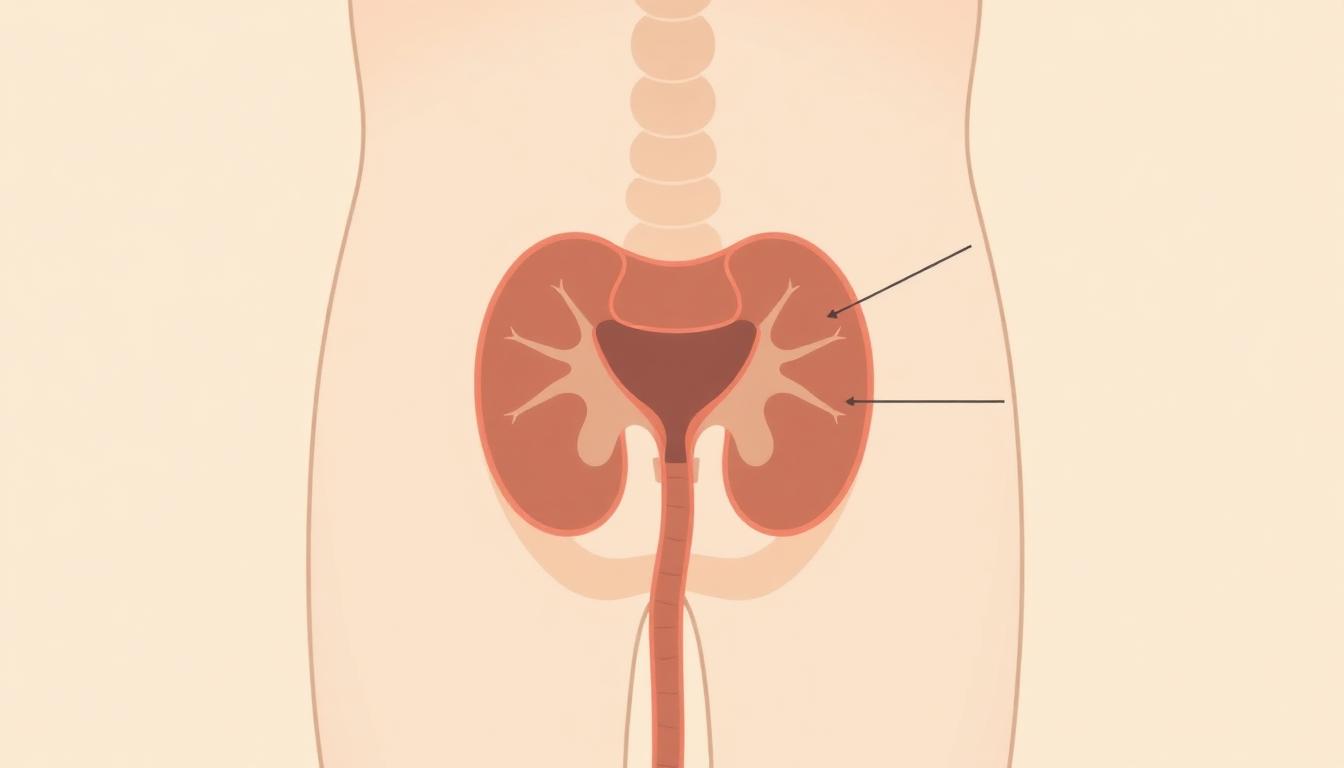
The prostate gland is about the size of a large walnut, or a ping pong ball. It sits in a crowded neighborhood. It rests between the bladder and the rectum, which is exactly why a doctor can feel it during a digital rectal exam. It also sits between the bladder and the penis.
Running straight through the middle of it is the urethra, the tube that carries urine from the bladder out through the penis.
The urethra passes right through the prostate. That single fact explains nearly every symptom and surgical challenge involving this gland.
Because the urethra threads through the prostate, anything that enlarges or must be removed from the gland affects urination. When the prostate is surgically removed, the urethra has to be divided and then reconnected, which makes it shorter and explains much of what happens afterward.
What Does the Prostate Actually Do?
The prostate has one main job: reproduction. It produces the fluid that becomes part of semen, the fluid that helps transport sperm cells made in the testicles. That fluid is stored in two structures on either side of the prostate called the seminal vesicles.
The fluid is not just a carrier. It contains substances that help sperm survive, including:
- Fructose, a sugar that gives sperm cells energy
- Zinc, which supports sperm health
- PSA (Prostate Specific Antigen), the very protein measured in the blood test you may already know
So the prostate is essential for reproduction, but it is not essential for life. A man can live a full, healthy life without one. That is an important thing to hold onto if surgery is ever on the table.
The Nerves Next Door
Running very close to the prostate are the nerves responsible for erections. Their exact position varies from man to man. Sometimes they hug the gland; sometimes they sit a little apart. These nerves play no role in causing prostate disease, but they matter enormously in treatment, because cancer can grow into them and surgery or radiation can injure them. That is the source of the erectile changes men worry about, and it is a conversation worth having early.
Three Ways the Prostate Becomes Diseased
After puberty, the prostate can run into trouble in three main ways. They are different problems, and confusing them causes a lot of needless fear:
- Prostatitis - infection or inflammation of the gland.
- BPH (Benign Prostatic Hypertrophy) - a non-cancerous enlargement that happens in many men over 45 to 50. It causes urinary symptoms but is not cancer.
- Prostate cancer - the malignant growth of prostate cells.
This is the distinction I most want you to take away. An enlarged prostate that makes you get up at night to urinate is usually BPH, not cancer. The symptoms can overlap, which is exactly why proper evaluation matters rather than panic.
Why Understanding the Gland Comes First
When I was diagnosed, I realized that I could not make a sound decision about treatment until I understood the organ itself, and how its anatomy shaped every option. The urethra running through it explains the catheter after surgery. The nearby nerves explain the erectile questions. The seminal vesicles explain dry orgasm. None of it is mysterious once you see how the pieces fit.
That is the heart of what I now teach. Cancer literacy begins with the basics, and the basics begin here, with a walnut-sized gland doing a quiet job until something changes. Learn the gland, and the rest of the journey gets a great deal less frightening.
References
- McNeal JE. The zonal anatomy of the prostate. Prostate. 1981;2(1):35-49.
- Roehrborn CG. Benign prostatic hyperplasia: an overview. Rev Urol. 2005;7(Suppl 9):S3-S14.
- Ng KL. The Etiology of Prostate Cancer. In: Bott SRJ, Ng KL, editors. Prostate Cancer. Brisbane (AU): Exon Publications; 2021.
- Verze P, et al. The role of the prostate in male fertility, health and disease. Nat Rev Urol. 2016;13(7):379-386.
- American Cancer Society. What Is Prostate Cancer? 2024.
Sunrise Institute is based in Florida and serves clients nationally through physician-led education sessions.
Take the Next Step
Book a Personalized Insight Consultation with Dr. Black - in Daytona Beach or via Zoom.