
Prostate Cancer Diet: What I Eat and What I Avoid
Dr. Harry Black, a surgeon and prostate cancer survivor, shares the foods he eats, the foods he avoids, and what research says about diet and prostate cancer.
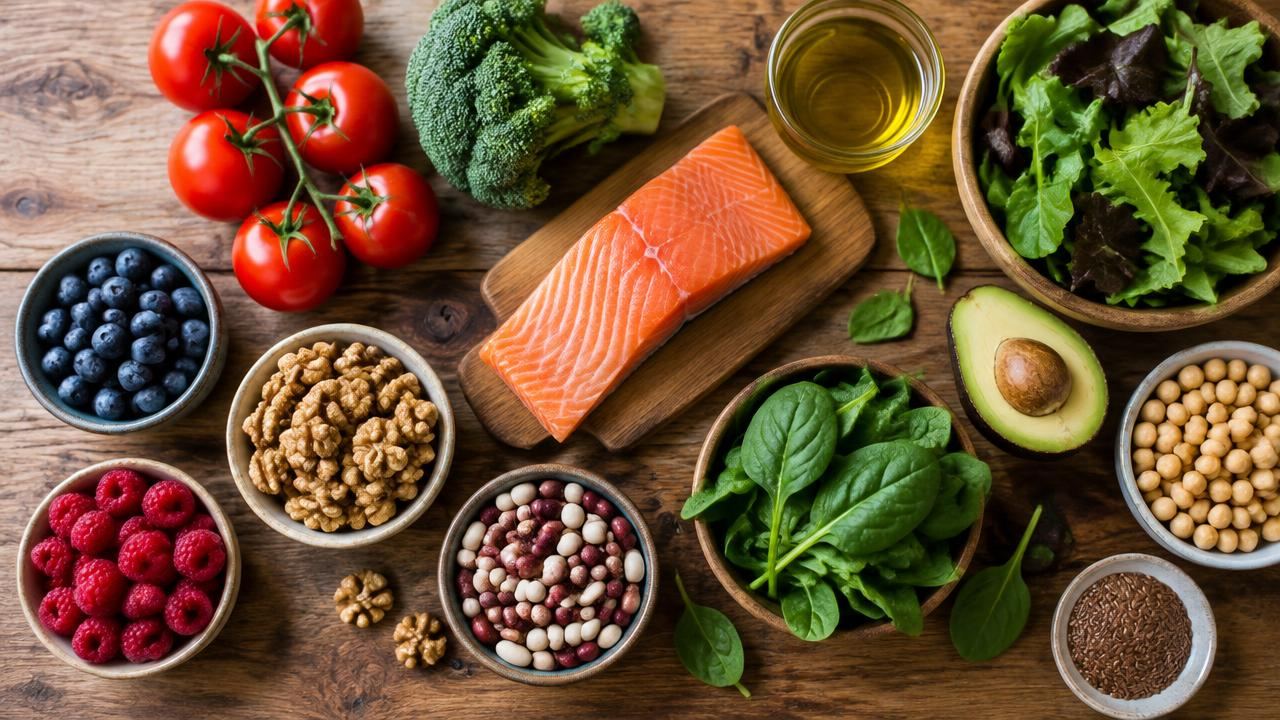
After my prostate cancer diagnosis, I stood in my kitchen and realized that, for all my years as a surgeon, I had never seriously thought about what I put on my plate. I changed that. I am not a dietitian, and food does not replace treatment. But I believe diet is one of the most powerful daily tools a man with prostate cancer has. Here is what I eat, what I avoid, and why.
This is education, not medical advice. Talk with your physician before major changes, especially during treatment.
The Big Picture: Lower Inflammation, Better Metabolism
Cancer thrives in an environment of chronic inflammation and high insulin. My goal with food is to make my body a less welcoming place for it. I explain the science in does sugar feed cancer and insulin resistance and cancer.
What I Eat
- Cruciferous vegetables: broccoli, cauliflower, Brussels sprouts, and cabbage.
- Cooked tomatoes: a source of lycopene, studied for prostate health.
- Fatty fish: salmon, sardines, and mackerel for omega-3 fats.
- Leafy greens, berries, beans, and nuts.
- Healthy fats: extra virgin olive oil cold, avocado oil, butter, or ghee for cooking.
- Green tea in place of sugary drinks.
What I Avoid or Limit
- Added sugar and sugary drinks
- Refined carbohydrates like white bread and pastries
- Processed meats and heavily charred meat
- Seed oils, which I discuss in seed oils and inflammation
- Ultra-processed packaged foods
A Word on Supplements
More is not always better. The large SELECT trial found that men taking high-dose vitamin E had a higher risk of prostate cancer. Some supplements can also interfere with treatment. Get your nutrients from food first and review any supplement with your physician.
During Treatment
Treatment changes things. Hormone therapy can cause weight gain and muscle loss, so protein and strength training matter more. Radiation can upset the bowels. This is not the time for extreme diets. Work with your team.
The Bottom Line
Eat real food, mostly plants, with good fats and fish. Cut the sugar and the processed food. It is simple to say and hard to do, and I still work at it every day. Start with one change this week.
References
- Klein EA, et al. Vitamin E and the risk of prostate cancer: SELECT. JAMA. 2011;306(14):1549-1556.
- Rowles JL, et al. Processed and raw tomato consumption and risk of prostate cancer: a systematic review and dose-response meta-analysis. Prostate Cancer Prostatic Dis. 2018;21(3):319-336.
- Kenfield SA, et al. Mediterranean diet and prostate cancer risk and mortality. Eur Urol. 2014;65(5):887-894.
Sunrise Institute is based in Florida and serves clients nationally through physician-led education sessions.
Sunrise Institute is based in Florida and serves clients nationally through physician-led education sessions.
Take the Next Step
Book a Personalized Insight Consultation with Dr. Black - in Daytona Beach or via Zoom.