
Seed Oils and Inflammation: What to Cook With Instead
Dr. Harry Black explains why seed oils may drive inflammation, which oils he removed from his own pantry, and the healthier fats he cooks with instead.
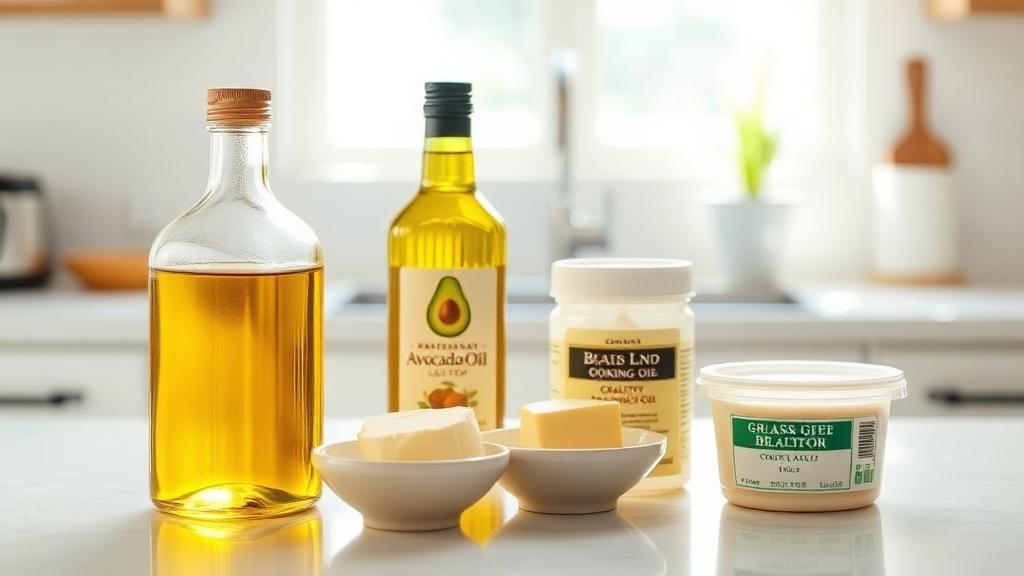
When I cleaned out my pantry as part of fighting my own cancer, the seed oils were one of the first things to go. I am a surgeon, and I will be the first to tell you this topic is somewhat controversial. But in my reading and my judgment, there is good evidence that we should consume as few seed oils as possible, because of how they may stoke the inflammation that sits underneath so much chronic disease. Let me explain my reasoning and, more usefully, what I cook with instead.
This is education and one physician's considered opinion, not a rigid rule. Talk with your own physician about what fits your health.
Why I Pay Attention to Inflammation
Cancer, like Type 2 diabetes, is fundamentally an inflammatory disease process. By inflammation I do not mean infection. I mean chronic, low-grade changes in the body that damage normal cells over time and create an internal environment where disease takes hold. If we want to help our immune systems fight cancer, reducing inflammation is one of the levers we can actually pull.
A great deal of the inflammation in the modern diet comes from sources we never think about. Cooking oil is one of the biggest and most invisible.
The Problem With Seed Oils
Seed oils are the industrial vegetable oils found in nearly every product on a grocery store shelf and used for cooking in almost every restaurant, no matter how upscale. They include:
- Soybean oil
- Sunflower oil
- Safflower oil
- Corn oil
- Canola oil
- Cottonseed oil
- Grapeseed oil
These oils are high in omega-6 fatty acids. Omega-6 is not evil in itself, but in the wrong proportion to the healthier omega-3 fatty acids, it can promote inflammation in the body. The modern Western diet is wildly tilted toward omega-6, largely because these oils are so cheap and so ubiquitous. That imbalance is the heart of my concern.
I want to be fair about the controversy. The science on seed oils is still debated, and reasonable experts disagree. But given how central inflammation is to cancer and chronic disease, and given how easy these oils are to replace at home, I made my choice.
What I Cook With Instead
The good news is that swapping oils at home is one of the simplest changes you can make. The healthier fats that do not provoke the same inflammatory concern include:
- Coconut oil
- Avocado oil
- Butter
- Grass-fed ghee
- Grass-fed beef tallow
These are saturated and stable fats, which makes them good for cooking. And on the old worry that saturated fat causes heart disease, most recent reviews of the literature actually support the use of saturated fats in cooking. The fear many of us grew up with has not held up as cleanly as we were told.
A Note on Olive Oil
Extra virgin olive oil is genuinely healthy, but it has a relatively low smoke point, which makes it less ideal for high-heat cooking. Use it where it shines: on salads, in dips, drizzled over finished food. For the hot pan, reach for avocado oil, tallow, ghee, or butter instead. Peanut and sesame oils are better than the other seed oils, though still not my first choice.
The Hard Part: They Are Everywhere
Here is the honest challenge. Replacing the oils at home is easy. Avoiding them entirely is nearly impossible, because seed oils are in virtually everything you buy at the store and almost everything served in restaurants. Go look at the labels in your own kitchen; you will be astonished how often they appear.
Do not let that discourage you. The goal is not perfection. The goal is awareness and steady improvement. Control what you can, starting with your own cooking, and reduce the rest where you reasonably can.
The Bottom Line
I changed my pantry because I came to see inflammation as something I could actually influence, and cooking oil as one of the easiest places to start. Cut the seed oils at home, cook with stable healthy fats, save your good olive oil for cold uses, and read labels with new eyes. It is a small change with an outsized reach into the inflammation that underlies cancer and so many chronic diseases.
Just do the best you can to become more aware. That awareness is where better health begins.
References
- DiNicolantonio JJ, O'Keefe JH. Omega-6 vegetable oils as a driver of coronary heart disease. Open Heart. 2018;5(2):e000898.
- Simopoulos AP. The importance of the omega-6/omega-3 fatty acid ratio. Biomed Pharmacother. 2002;56(8):365-379.
- Astrup A, et al. Saturated fats and health: a reassessment. J Am Coll Cardiol. 2020;76(7):844-857.
- Innes JK, Calder PC. Omega-6 fatty acids and inflammation. Prostaglandins Leukot Essent Fatty Acids. 2018;132:41-48.
- Marik PE, Varon J. Omega-3 dietary supplements and inflammation. Clin Cardiol. 2009;32(7):365-372.
Sunrise Institute is based in Florida and serves clients nationally through physician-led education sessions.
Sunrise Institute is based in Florida and serves clients nationally through physician-led education sessions.
Take the Next Step
Book a Personalized Insight Consultation with Dr. Black - in Daytona Beach or via Zoom.