
Repurposed Drugs and Supplements in Cancer Care: A Surgeon's Honest Look
Dr. Harry Black explains repurposed drugs and supplements being studied as additions to cancer treatment, what the evidence shows, and why physician guidance is essential.
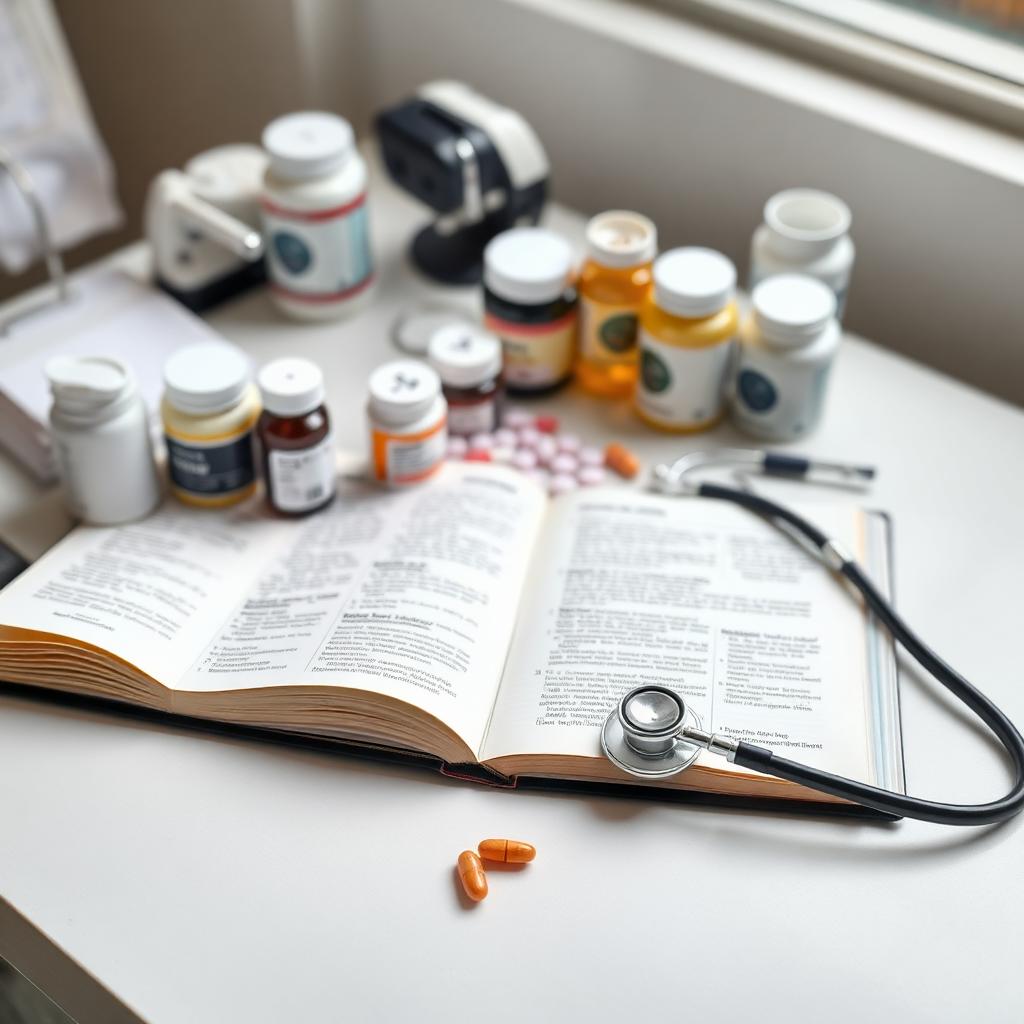
I am an allopathic physician. For more than 35 years I trained and practiced inside the standard of care that American medicine built over the last century. So when I tell you there is another side of medicine worth understanding, one that is still controversial and not well publicized, I am not speaking as someone who rejected conventional treatment. I had the surgery. I had the hormone therapy. I am speaking as a surgeon who, while fighting his own cancer, went looking for everything else that might help, and found a body of research most clients never hear about.
Let me be absolutely clear before we go further. Nothing in this article is a replacement for standard cancer treatment. These are topics to raise with your own physicians, not instructions to follow on your own. With that understood, here is what I learned.
What "Repurposed Drugs" Actually Means
A repurposed drug is a medication originally developed to treat one condition that turns out to have activity against another, in this case cancer. Melatonin, familiar as a sleep aid, is a simple example: it has shown anti-tumor effects in research. These are often well-known, long-used, low-cost medications with decades of safety data behind them.
Much of what I learned came from a book called Cancer Care by Dr. Paul Marik, one of the most published intensive care physicians in the world. His appendix alone carries roughly 1,400 scientific references. He groups the most evidence-supported options as "Tier One." I take several of them myself, always in conversation with my doctors, and I encourage you and your physicians to read the source material directly.
These are not miracle cures. They are candidates for adding to standard care, supported by varying levels of evidence, and they belong in a conversation with your physician.
Over-the-Counter Supplements With Anti-Cancer Research
Several widely available supplements have been studied for effects on cancer cells, often working through apoptosis (programmed cell death), slowing growth, or reducing the tumor's ability to form new blood vessels:
- Vitamin D3 - low levels are linked to worse outcomes; research suggests a higher blood level (often the 60 to 80 range) supports immune function. Frequently paired with Vitamin K2 to protect bone calcium.
- Melatonin - studied for reducing tumor blood vessel growth and increasing cancer cell death, in addition to aiding sleep.
- Green tea extract - concentrated to deliver the active compounds; studied against several cancers, particularly breast and prostate.
- Curcumin - the active form of turmeric, anti-inflammatory and studied for disrupting cancer cell cycles. Look for nano or liposomal forms, since it absorbs poorly otherwise.
- Omega-3 fatty acids - the "good fats" from fatty fish, studied for interrupting cancer cell growth.
- Berberine - studied for slowing cancer cell growth and lowering blood sugar, sometimes compared to metformin.
- Ashwagandha - studied for promoting cancer cell death and reducing inflammation, with the bonus of easing anxiety and improving sleep.
Supplements I Use, and the Honest Limitation
After my hormone therapy began, a close friend and my primary care doctor sent me two articles on something I had never heard of: Graviola, also called Sour Sop. The research suggested it helps cancer cells "remember" how to die. I added it, along with IP-6, Lactoferrin, and Amla powder (Indian gooseberry), each studied for supporting the immune system and acting against cancer cells.
Here is the part I will not gloss over. Almost all of this supplement research was done in animals, not humans. That means we genuinely do not know the effective dose, the right frequency, the long-term side effects, or whether cancer cells eventually resist them. I am not aware of any cancer physician who would recommend these as a primary treatment, and neither would I. I take them because my cancer was already removed and the recurrence was tiny, the safety profiles are strong, and I want every advantage I can get for my immune system. That is my reasoning, not a recommendation for yours.
Prescription Medications Being Studied
Several prescription drugs, used for years for other conditions, have shown anti-cancer activity in research. The FDA permits physicians to prescribe approved drugs "off label," meaning for a use beyond the original indication. Each of these requires a doctor who knows the drug and is willing to prescribe and monitor it:
- Metformin - a first-line diabetes drug with a long safety record, studied for prolonging survival in several cancers, prostate among the most responsive.
- Propranolol - one of the oldest blood pressure medications, studied for reducing cancer spread.
- Ivermectin - an anti-parasitic whose inventor won the 2015 Nobel Prize in Medicine; studied for activity against several cancer pathways. Widely used worldwide with a high safety margin.
Statins, cimetidine, and others appear on the broader Tier One list as well, each with its own evidence and its own cautions.
How to Have This Conversation
The point of cancer literacy is not to turn you into your own doctor. It is to make you a better partner to the doctors you have. If any of this interests you:
- Bring the research, not just the request. Ask your physician to review the evidence with you.
- Disclose everything you take. Supplements interact with treatments; berberine and metformin, for example, can be too much together for some people.
- Respect the limits of the evidence. Animal data is a reason to ask questions, not a reason to abandon proven care.
- Keep standard treatment central. These are potential additions, never substitutes.
Where This Leaves Me
Since adding these medications and supplements, I can tell you three honest things. I have felt better than I have in over 30 years. My immune system seems to be working at a higher level, with only two minor colds in several years. And my PSA has stayed undetectable since September 2023. I cannot prove any single supplement did that. What I can say is that learning, asking, and partnering with my physicians has been part of staying healthy.
I believe repurposed drugs will be a large part of future cancer conversations. You do not have to wait for the future to start asking the questions.
References
- Marik P. Cancer Care: The Role of Repurposed Drugs and Metabolic Interventions in Treating Cancer. 2nd ed. 2024.
- Pantziarka P, et al. The Repurposing Drugs in Oncology (ReDO) Project. Ecancermedicalscience. 2014;8:442.
- Chae YK, et al. Repurposing metformin for cancer treatment: current evidence. Oncotarget. 2016;7(26):40767-40780.
- Gupta SC, et al. Therapeutic roles of curcumin: lessons learned from clinical trials. AAPS J. 2013;15(1):195-218.
- Feldman D, et al. The role of vitamin D in reducing cancer risk and progression. Nat Rev Cancer. 2014;14(5):342-357.
Sunrise Institute is based in Florida and serves clients nationally through physician-led education sessions.
Sunrise Institute is based in Florida and serves clients nationally through physician-led education sessions.
Take the Next Step
Book a Personalized Insight Consultation with Dr. Black - in Daytona Beach or via Zoom.