
Robotic Prostatectomy: What Prostate Surgery Is Really Like
Dr. Harry Black, a surgeon who had a robotic prostatectomy himself, explains what the surgery involves, the recovery timeline, and what to expect day by day.
I have stood on the operating side of surgery for more than 35 years. Then I had a robotic prostatectomy myself, and I learned the things you only learn lying in the bed instead of standing beside it. If you are facing this operation, I want to walk you through it the way I would walk a client through it in my office: honestly, without sugarcoating, and without scaring you. Most of it goes well. Some of it is uncomfortable. All of it is survivable.
This is education from a surgeon and a patient, not a substitute for the conversation you will have with your own surgeon.
How Robotic Surgery Changed the Operation
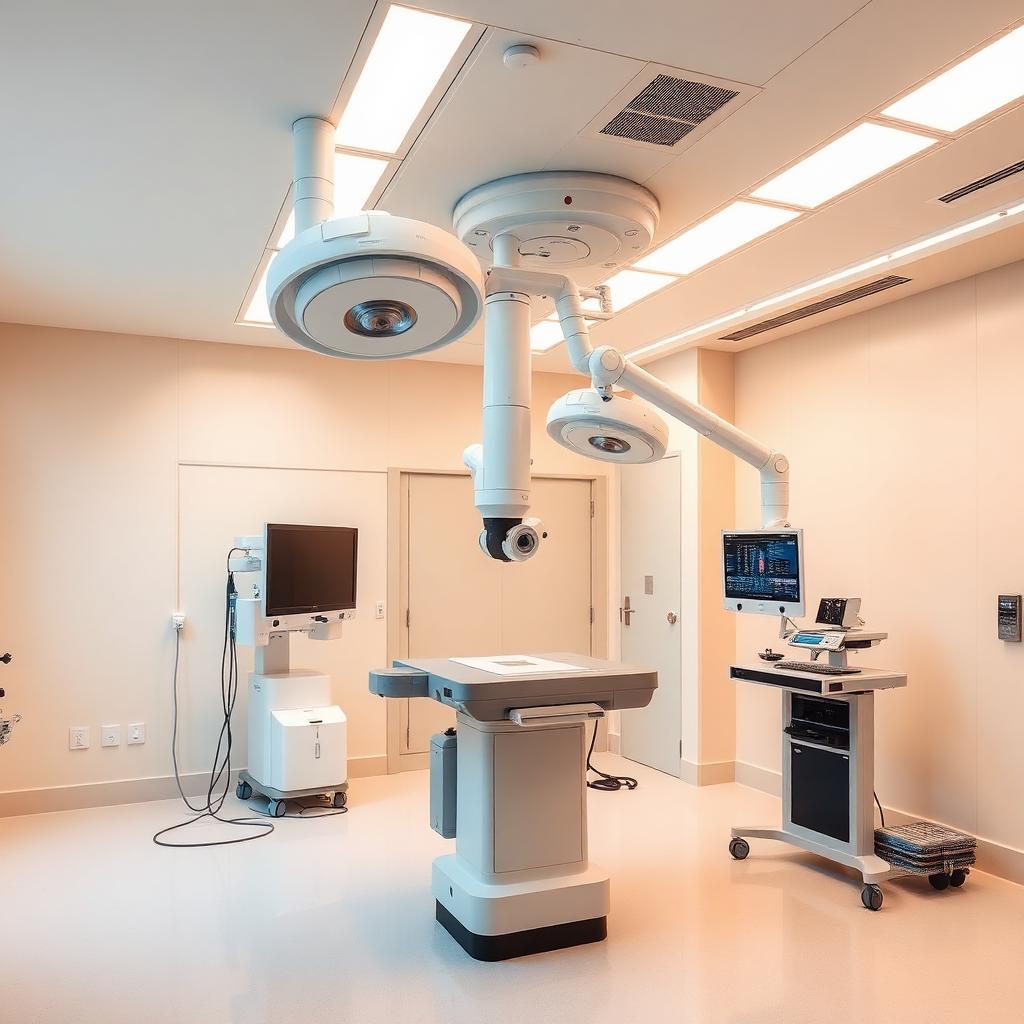
Removing the prostate used to be one of the most difficult operations in urology, often with heavy blood loss. The arrival of the surgical robot about 15 to 20 years ago changed that. The surgeon sits at a console a few feet from the table, looking through eyepieces that give a magnified, three-dimensional view, and controls robotic arms that move with the full articulation of a human wrist.
Robotic surgery gave surgeons better vision and finer control, and it became the standard of care for radical prostatectomy.
The result is smaller incisions, far less blood loss, and better outcomes than the old open operation. Blood loss is often less than half a unit, and transfusion is now rare.
What "Radical Robotic Prostatectomy" Actually Means
The word radical means the surgeon removes the whole prostate, and often a sample of lymph nodes from both sides of the pelvis to check for spread. Sometimes it means the prostate alone. Ask your surgeon exactly which version you are having.
The operation involves about six small incisions of an inch or less, plus one slightly larger one near the belly button through which the prostate is removed. You will be under general anesthesia with a breathing tube, because your muscles must be relaxed during the procedure. A Foley catheter is placed through the penis into the bladder while you are asleep. It protects the new connection between the bladder and urethra while it heals, and it stays in for several days, occasionally longer.
My Surgery, Hour by Hour
Here is my own experience, so you know what a normal course can look like:
- The surgery took several hours and finished before noon. I was back in my room by 1 PM.
- I was groggy for much of the day but got out of bed with help and tolerated a little food and liquid.
- I needed only Tylenol and ibuprofen for most of my pain. I was sore, not in agony. The sharpest pain was rectal when I first sat in a chair, and it passed within a day.
- I had one uncommon complication: a blood clot blocked my catheter the first night, causing severe bladder pain until it was cleared the next morning. Because of it, my catheter stayed in 15 days instead of the usual three to seven.
I tell you about the complication not to frighten you, but because honesty is the point. Most men do not have it. I did, and I still recovered fully.
The Recovery Timeline
Recovery is a process, and it varies a great deal from person to person. Be very careful about comparing your timeline to anyone else's. Here is the general shape, drawn from my own course:
- Days 1 to 2 - hospital stay, usually one or two nights, then home.
- First two weeks - catheter in place; expect swelling and bruising of the scrotum and abdomen that can look alarming and resolves on its own.
- After catheter removal - incontinence begins, and you will wear pads or a diaper at first. This is universal, not a sign of failure.
- Around week 4 - many men, like me, return to light work. I saw patients again on post-op day 27.
- Weeks 5 to 6 - easy fatigability fades and stamina returns. I felt fully like myself around six weeks, though I was functioning well before that.
What Helps You Heal
Two things matter more than most men expect. First, rest is not laziness; it is part of healing. Pay attention to your body, rest during the day, and sleep at night. Second, get moving early in the right way. Walking soon after surgery helps prevent dangerous blood clots, and gradually returning to activity rebuilds your strength. Pushing too hard too soon only prolongs the fatigue. The balance between rest and movement is the whole game.
If you take one thing from a surgeon who became a patient, take this: the operation is well-trodden ground, the recovery has a predictable arc, and the discomfort is temporary. Walk in informed, and you walk in calmer.
References
- Coelho RF, et al. Robotic-assisted radical prostatectomy: outcomes and complications. Eur Urol. 2010;57(6):945-952.
- Ficarra V, et al. Systematic review of perioperative outcomes after robot-assisted radical prostatectomy. Eur Urol. 2012;62(3):431-452.
- Tewari A, et al. Positive surgical margin and perioperative complication rates of primary surgical treatments for prostate cancer. Eur Urol. 2012;62(1):1-15.
- Novara G, et al. Systematic review of functional outcomes after robot-assisted radical prostatectomy. Eur Urol. 2012;62(3):418-430.
- American Cancer Society. Surgery for Prostate Cancer. 2024.
Sunrise Institute is based in Florida and serves clients nationally through physician-led education sessions.
Take the Next Step
Book a Personalized Insight Consultation with Dr. Black - in Daytona Beach or via Zoom.