
What Is Integrative Oncology? A Surgeon and Survivor Explains
Dr. Harry Black, a general surgeon and cancer survivor, explains what integrative oncology is, what it is not, and how it supports standard cancer care.
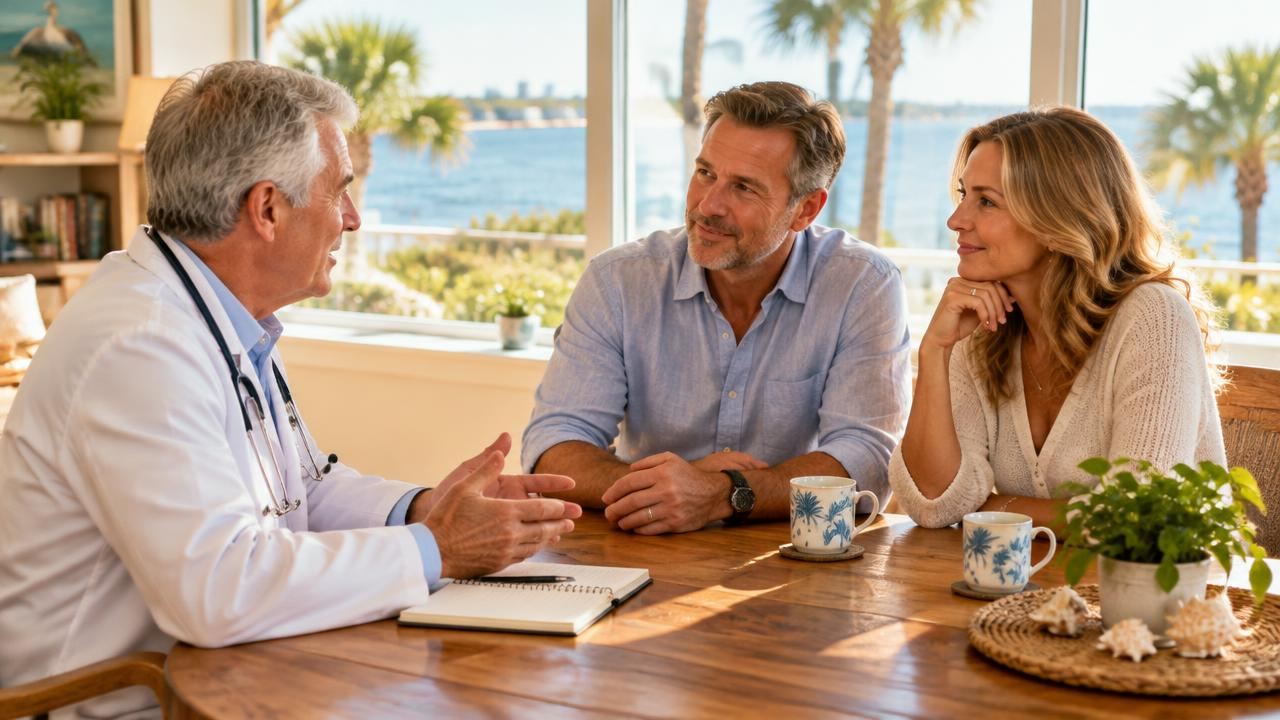
For more than 40 years I was a general and trauma surgeon. I removed tumors, I sat with families, and I believed, like most of my colleagues, that the operating room and the infusion chair were where cancer was fought. Then I was diagnosed with prostate cancer myself. Sitting on the other side of the desk, I learned something my training never fully taught me: treatment is only part of the story. What you do with the rest of your life, every meal, every night of sleep, every walk, matters too. That is the heart of integrative oncology.
This is education, not medical advice. I am not an oncologist, and nothing here replaces the team treating your cancer.
A Simple Definition
Integrative oncology is an approach to cancer care that combines standard, proven treatments (surgery, radiation, chemotherapy, hormone therapy, immunotherapy) with evidence-informed supportive practices that care for the whole person. Those practices usually include:
- Nutrition that lowers inflammation and supports metabolic health
- Regular exercise, both walking and strength training
- Protecting sleep, which is when much of the immune system does its work
- Stress management and mind-body practices
- Careful, physician-guided review of supplements so nothing interferes with treatment
- Emotional support for the patient and the family
The key word is integrative. These practices are woven into your standard care, not substituted for it.
What Integrative Oncology Is Not
I want to be very clear here, because this is where people get hurt. Integrative oncology is not alternative medicine. Alternative medicine means skipping surgery, radiation, or chemotherapy in favor of something unproven. The research on that choice is sobering: people who use alternative medicine instead of conventional treatment have significantly worse survival. Integrative care keeps the treatments that work and adds the lifestyle support that helps your body tolerate them and recover.
Why a Surgeon Came to Believe in It
When I was diagnosed, I did what surgeons do. I read everything. I found a large and growing body of research showing that exercise, sleep, metabolic health, and inflammation influence how people do during and after cancer. I wrote about some of it in exercise and prostate cancer survival and in does sugar feed cancer. None of this was a substitute for my surgery and treatment. But it gave me something I badly needed: things I could actually do.
That sense of agency is underrated. A cancer diagnosis takes so much control away. An integrative approach hands some of it back.
Where It Is Offered
Many major cancer centers now have integrative oncology programs, and professional groups such as the Society for Integrative Oncology publish guidelines on which supportive therapies have evidence behind them. If your cancer center has one, ask about it. If it does not, education is a good place to start, so you know which questions to bring to your oncology team.
How Sunrise Institute Fits In
At Sunrise Institute, our Sunrise Institute Integrative Oncology Program is an educational program. I do not diagnose or treat cancer, and I do not replace your oncologist. What I offer is a surgeon's and survivor's perspective, and a structured way to understand the lifestyle side of cancer, so you can partner with your medical team with clarity and confidence.
The Bottom Line
Integrative oncology means using the best of modern medicine and caring for the whole person at the same time. Keep your treatment. Add the things that help your body carry it. And never make a change without telling the physicians who are treating you.
References
- Witt CM, et al. A comprehensive definition for integrative oncology. J Natl Cancer Inst Monogr. 2017;2017(52).
- Johnson SB, et al. Use of alternative medicine for cancer and its impact on survival. J Natl Cancer Inst. 2018;110(1):121-124.
- Lyman GH, et al. Integrative therapies during and after breast cancer treatment: ASCO endorsement of the SIO clinical practice guideline. J Clin Oncol. 2018;36(25):2647-2655.
Sunrise Institute is based in Florida and serves clients nationally through physician-led education sessions.
Sunrise Institute is based in Florida and serves clients nationally through physician-led education sessions.
Take the Next Step
Book a Personalized Insight Consultation with Dr. Black - in Daytona Beach or via Zoom.