Is Holistic Cancer Treatment Safe? What to Know Before You Choose
Dr. Harry Black explains when holistic cancer care is safe, when it is dangerous, the red flags to watch for, and how to combine it with standard treatment.
When you are diagnosed with cancer, the internet finds you fast. Within days, someone sends you a video about an office that cures cancer naturally, a tea that shrinks tumors, a diet that makes surgery unnecessary. I understand the pull. When I was diagnosed with prostate cancer, I wanted the gentlest possible path too. But I spent more than 40 years as a general and trauma surgeon, and I have seen what happens when people choose the wrong one. So let me answer this question as honestly as I can.
This is education, not medical advice. I am not an oncologist, and your oncology team should guide every treatment decision.
The Short Answer
Holistic care can be safe and genuinely helpful when it is used alongside standard cancer treatment. It can be dangerous, even deadly, when it is used instead of standard treatment. That one distinction matters more than anything else in this article.
What the Research Shows
A study from Yale researchers published in the Journal of the National Cancer Institute followed people with curable cancers who chose alternative medicine alone instead of conventional treatment. Their risk of death was about two and a half times higher. For some cancers it was far worse. That is not a small difference. It is the difference between being here and not being here.
At the same time, a large body of research supports supportive practices such as exercise, good nutrition, sleep, and stress management for improving quality of life and helping people tolerate treatment. That is where holistic thinking belongs: as a partner to medicine, not a rival.
Generally Safe Alongside Treatment
- Walking and strength training, adjusted to your energy and your team's guidance
- Whole-food eating with less sugar and processed food
- Protecting seven to eight hours of sleep
- Meditation, prayer, breathing practices, and gentle yoga
- Counseling and support groups for you and your family
Use Caution and Ask First
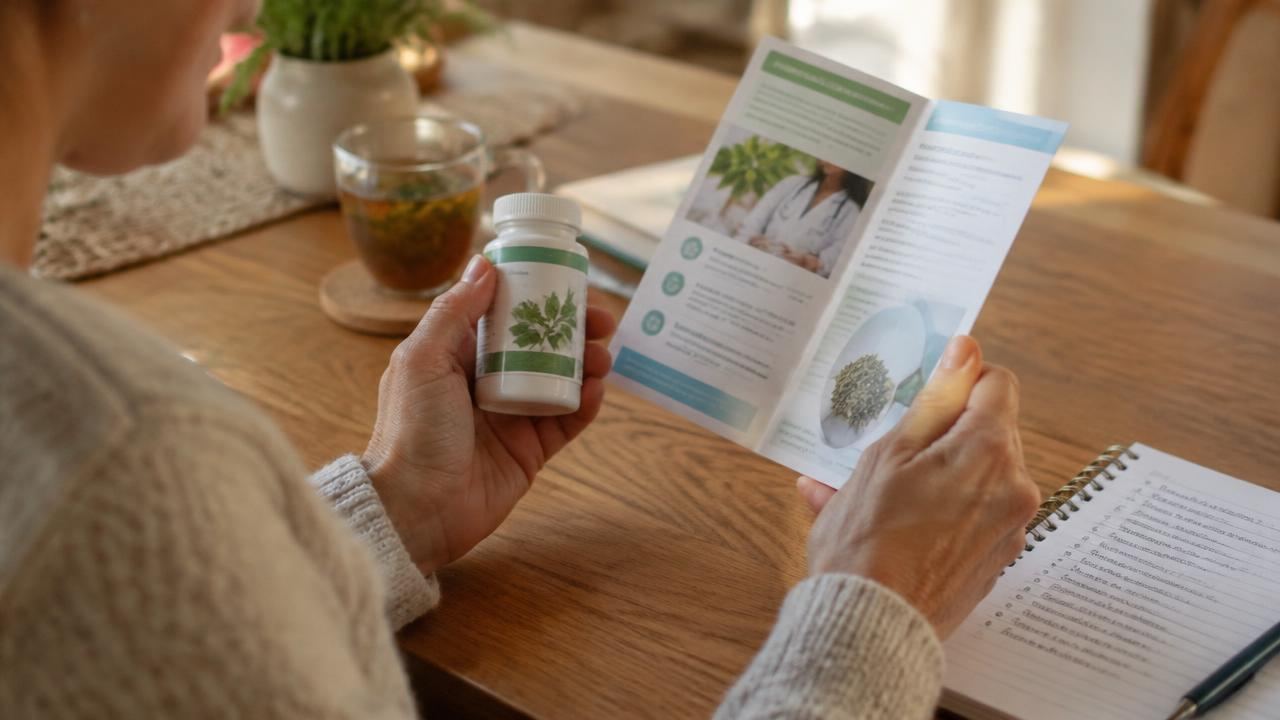
- Herbal remedies and botanical supplements, some of which affect how chemotherapy is processed
- High-dose antioxidants during radiation or chemotherapy
- Fish oil, vitamin E, and certain herbs before surgery, because of bleeding risk
- Extreme diets that cause weight or muscle loss during treatment
Red Flags I Would Walk Away From
- Anyone who promises a cure
- Advice to stop or delay surgery, radiation, or chemotherapy
- Secret or proprietary formulas you cannot look up
- Large upfront payments, often out of the country
- Testimonials in place of published evidence
- Discouraging you from telling your oncologist
If you are unsure about a treatment plan, conventional or otherwise, getting another opinion is wise. I explain why in should you get a second opinion.
How to Choose Safely
Keep your standard treatment. Add supportive practices that have evidence behind them. Bring a written list of every supplement to each appointment. And look for programs that work with your oncology team rather than around it. That is the idea behind integrative oncology, which I explain in what is integrative oncology.
Our Sunrise Institute Integrative Oncology Program is educational. It is designed to help you sort the helpful from the harmful and bring better questions to your medical team. It complements your oncology care; it never replaces it.
The Bottom Line
Holistic care is safe when it supports your treatment and dangerous when it replaces it. Be hopeful, be curious, and be skeptical of anyone selling certainty. Your life is worth that care.
References
- Johnson SB, Park HS, Gross CP, Yu JB. Use of alternative medicine for cancer and its impact on survival. J Natl Cancer Inst. 2018;110(1):121-124.
- Johnson SB, et al. Complementary medicine, refusal of conventional cancer therapy, and survival among patients with curable cancers. JAMA Oncol. 2018;4(10):1375-1381.
- National Cancer Institute. Complementary and Alternative Medicine (CAM) for patients. cancer.gov.
Sunrise Institute is based in Florida and serves clients nationally through physician-led education sessions.
Sunrise Institute is based in Florida and serves clients nationally through physician-led education sessions.
Take the Next Step
Book a Personalized Insight Consultation with Dr. Black - in Daytona Beach or via Zoom.